Professional Water Heater Installation Mistakes to Avoid With Hoosier Drain Guys
Wiki Article
Every project from replacing a sink supply line to swapping a water heater falls under water installation. The work touches daily routines, insurance rates, and long-term energy costs. The right team keeps the job done right the first time and holds disruptions to a minimum how to choose Hoosier Drain Guys. Several homeowners begin with a phrase like water installation and quickly discover that the details matter. Pipe sizes, venting rules, and local permits decide whether a project stays simple or turns into a weekend of callbacks. A clear plan saves money and keeps the water running on schedule. A Plumbing Company supplies licensed crews, stocked trucks, and the paperwork that inspectors expect. Repairs, replacements, and recent construction tie-ins are all handled by the business. Most also carry liability coverage that protects the homeowner if something goes wrong during the job. Several visits and a permit are needed for repiping a slab home, yet a dripping faucet can regularly be scheduled the same day. Staff inside the office schedule jobs, pull permits, and order fixtures. Field teams arrive with the necessary tools and parts. A good Plumbing Company guide will list license numbers, response times, and the brands of water heaters the crews install most frequently. That information helps homeowners compare bids without guessing about quality. Plumber services include drain cleaning, leak detection, water heater swaps, and gas line adjustments. Some crews also handle low-pressure complaints, sewer camera inspections, and backflow testing. A single team can fit a point-of-use heater beneath a break-room sink or extend a fresh supply line into a mop closet for a modest business. Scheduling must still match the current code cycle while shifting around customer hours instead of the standard nine-to-five window. Start by confirming every technician carries an active state license and that the business maintains current insurance. Next, ask which water heater brands the crew installs regularly and whether the warranty on labor matches the warranty on the tank. A short phone call can reveal whether the office returns messages the same day or leaves homeowners waiting. Written estimates that separate parts from labor costs stop surprise charges from showing up on the final invoice. Begin with proof of active state licenses and current insurance for the business. Ask about the water-heater brands they install often and confirm labor coverage matches tank coverage. A quick call also reveals how promptly the office returns messages. Written estimates that list both parts and labor prevent hidden charges later. Professional plumbers begin every water heater job with a site visit. The plumber evaluates the available space, checks the venting route, and confirms the size of the gas line or electrical circuit that will serve the unit. Once those details are recorded, the office orders the correct model and secures any permits required by local building codes. On installation day the crew isolates the water supply, removes the old heater, and sets the new unit on a code-approved stand. Connections are soldered or compression-fitted, the vent is reattached, and the unit is filled and fired. A pressure check and a walkthrough with the homeowner complete the job. Most standard tank heaters are completed in three to five hours. Tankless units add time for larger gas lines and new venting. Regardless of the type, the crew leaves the work area clean and gives the owner both the permit paperwork and the warranty registration card. A reference used in this field is PHCC. Ask the plumber to flush the recent tank twice before final startup. Sediment left from the factory can shorten element life and cloud the first few gallons of hot water. The process replaces or adds a unit that heats and stores domestic water. Most tank replacements can be completed within a single workday, whereas switching to a tankless system often requires two full days because of extra venting and gas-line adjustments. Compare license numbers, insurance limits, and the labor warranty offered on the water heater. Ask which brands the crew installs most regularly and whether the office answers calls after hours for leaks. A Plumbing Company holds the license, insurance, and permit authority required for water heater work. A handyman may not carry the bonding that shields the homeowner if a joint fails after the project is finished. Cost depends on fuel type and job access. A standard 50-gallon electric unit typically runs between $1,800 and $2,400 installed, while a gas tankless model can reach $3,500 when fresh venting must be added. Yes. The same crews that swap tanks in homes also install point-of-use heaters under office sinks and larger 100-gallon units for staff restrooms, provided the building meets current code. It should list the first-year flush, annual temperature-pressure relief valve tests, and the recommended anode-rod check every three years for steel tanks. Clear steps and verified credentials turn a stressful water heater swap into a predictable project. Homeowners and small-business owners who compare licenses, warranties, and recent references end up with fewer surprises and longer intervals between service calls. Planning ahead also means the crew arrives with the right parts, the permit is previously approved, and the hot water returns on the same day the old unit leaves.Understanding what is Plumbing Company and why it matters
Services that reach both residential properties and limited commercial locations
Steps to pick a plumbing contractor you can trust
Steps professional plumbers follow when installing a new water heater
Practical Plumber tips that reduce callbacks
Frequently asked questions
What is water heater installation and how long does it take
Why pick Hoosier Drain Guys over other firms quoting identical services
What advantages does a Plumbing Company offer compared with hiring an independent handyman
How much does water heater installation cost in a small business setting
Can Hoosier Drain Guys handle both residential and light commercial water heater jobs
What details belong in a plumber’s guide about post-installation maintenance
Plumber checklist for a successful water heater swap
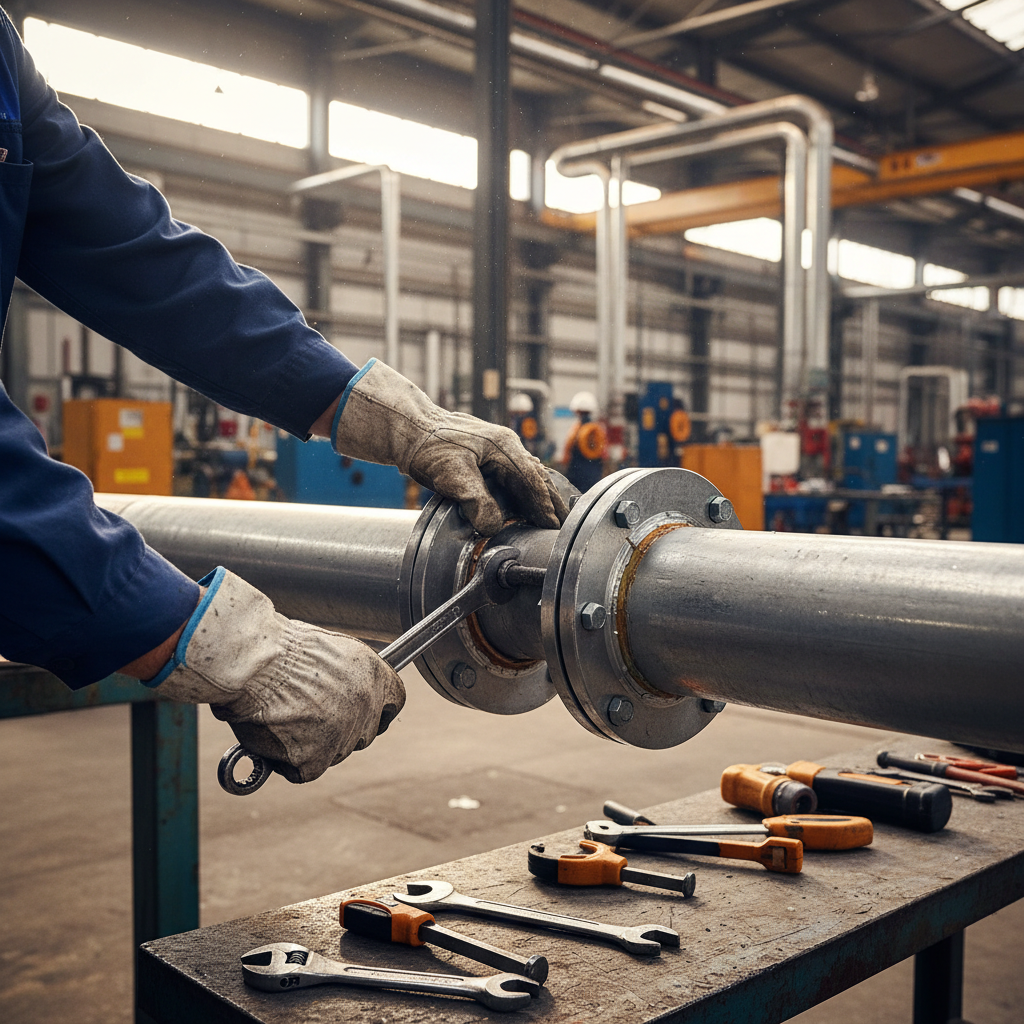 water installationwater installation